As Discovery Car Price vs Residual Value – What Canadian Owners Must Know takes center stage, this opening passage beckons readers with a captivating overview of the topic, setting the stage for a deep dive into the nuances of car pricing and value retention in the Canadian market.
The subsequent paragraph delves into the intricacies of factors influencing Discovery car prices and residual values, offering a comprehensive understanding to readers.
Discovery Car Price Overview
When it comes to the pricing of Discovery cars in Canada, several factors come into play. The brand reputation, model year, trim level, mileage, condition, and market demand all influence the price of Discovery vehicles.
New vs Used Discovery Cars Pricing
- New Discovery cars tend to have a higher price tag compared to used ones due to their untouched condition and the latest features.
- Used Discovery cars, on the other hand, offer a more budget-friendly option for buyers looking to save money while still enjoying the luxury and performance of a Discovery vehicle.
Average Price Range of Discovery Cars in Canada
- The average price range of Discovery cars in the Canadian market typically falls between $50,000 to $80,000, depending on the model year, mileage, and overall condition of the vehicle.
- High-end trim levels and newer models may exceed this range, while older models or those with higher mileage may be priced lower.
Understanding Residual Value
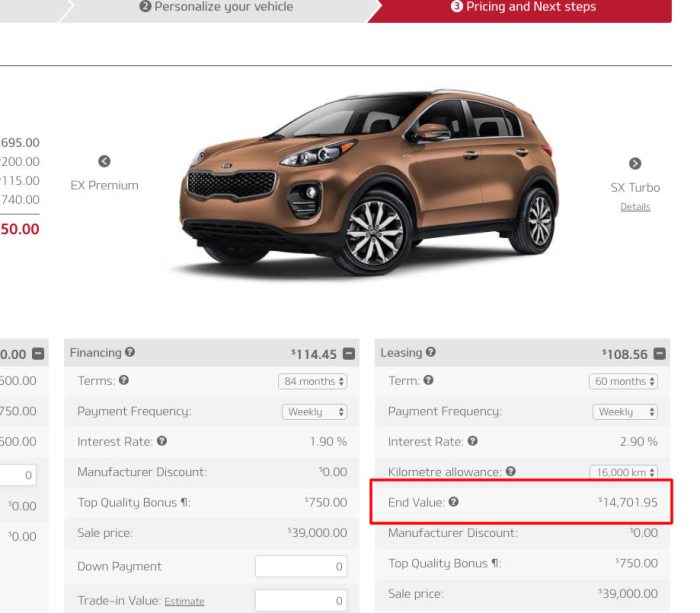
Residual value is the estimated monetary value of a car at the end of its lease or ownership period. It is an essential factor to consider when purchasing a car, as it affects the overall cost of ownership and can impact future resale value.
Calculation of Residual Value
Residual value for Discovery cars is typically calculated based on factors such as the initial purchase price, expected depreciation, market trends, and the vehicle's condition at the end of the lease or ownership term. Car manufacturers often work with industry experts to determine accurate residual values for their vehicles.
- Residual value = (Vehicle's initial purchase price - Depreciation) x (Residual percentage)
- Depreciation = (Vehicle's initial purchase price - Resale value)
Residual value plays a crucial role in determining monthly lease payments and can significantly impact the total cost of owning a Discovery car.
Impact of Residual Value on Ownership Cost
The residual value of a car directly affects its depreciation rate and, subsequently, the overall cost of ownership. A higher residual value means slower depreciation and potentially lower monthly payments. On the other hand, a lower residual value can lead to higher depreciation costs and increased ownership expenses.
- Example: If a Discovery car has a high residual value of 60% after three years, it means the car retains 60% of its initial value. This can result in lower monthly lease payments or higher resale value if you decide to sell the vehicle.
- Conversely, a car with a residual value of 40% after three years will depreciate faster, leading to higher monthly payments or lower resale value.
Factors Affecting Residual Value
When it comes to determining the residual value of Discovery cars in Canada, several key factors come into play. These factors can greatly impact how much your vehicle will be worth down the line. Let's explore some of the main factors that affect the residual value of Discovery cars in the Canadian market.
Maintenance and Mileage Influence
Maintenance and mileage are two crucial factors that can significantly influence the residual value of Discovery cars. Proper maintenance records can help demonstrate that the vehicle has been well taken care of, which can positively impact its residual value. On the other hand, high mileage can lower the residual value, as it indicates more wear and tear on the vehicle
Potential buyers are more likely to pay a premium for a well-maintained, low-mileage Discovery car.
Market Demand and Brand Reputation
Market demand and brand reputation also play a significant role in determining the residual value of Discovery cars. A high demand for a particular model can drive up its residual value, as buyers are willing to pay more for a vehicle that is in high demand.
Additionally, a strong brand reputation for reliability and quality can help maintain higher residual values for Discovery cars compared to brands with a less favorable reputation. Ultimately, market demand and brand reputation can impact how well a Discovery car retains its value over time in the Canadian market.
Buying New vs. Used Discovery Cars
When deciding between buying a new Discovery car or a used one, Canadian owners should consider various factors that can impact the value retention and long-term ownership costs. Let's compare the advantages and disadvantages of each option and provide tips for evaluating their value retention.
Advantages and Disadvantages of Buying a New Discovery Car
Buying a new Discovery car comes with several benefits, such as:
- Warranty coverage for repairs and maintenance
- Access to the latest technology and safety features
- Potential customization options
However, new cars also depreciate quickly in the first few years, leading to a significant loss in value.
Advantages and Disadvantages of Buying a Used Discovery Car
On the other hand, purchasing a used Discovery car can offer the following advantages:
- Lower initial purchase price
- Less depreciation compared to new cars
- Possible lower insurance costs
Yet, used cars may come with higher maintenance and repair costs, as well as limited warranty coverage.
Tips for Evaluating Value Retention of New vs. Used Discovery Cars
When assessing the value retention of new and used Discovery cars, Canadian owners should consider the following:
- Research the historical depreciation rates for the specific model
- Inspect the vehicle's condition, mileage, and maintenance records for used cars
- Compare the long-term ownership costs, including maintenance, repairs, and insurance
Impact on Long-Term Ownership Costs
The decision between buying a new or used Discovery car can significantly impact long-term ownership costs. While new cars may have higher upfront costs, they could offer lower maintenance expenses and warranty coverage. On the other hand, used cars may require more frequent repairs and maintenance, potentially increasing ownership costs over time.
Canadian owners should carefully weigh these factors to make an informed decision based on their budget and preferences.
Last Word
In conclusion, the discussion on Discovery Car Price vs Residual Value – What Canadian Owners Must Know encapsulates key insights for car owners, shedding light on the crucial considerations when it comes to purchasing and owning a Discovery vehicle.
Top FAQs
What factors influence the pricing of Discovery cars in Canada?
Factors such as market demand, brand reputation, and new vs. used comparisons play a significant role in determining Discovery car prices in the Canadian market.
How is residual value calculated for Discovery cars?
Residual value for Discovery cars is typically calculated based on factors like depreciation, maintenance history, and market trends, providing an estimate of the car's future worth.
What tips can Canadian owners follow to evaluate the value retention of new versus used Discovery cars?
Canadian owners can assess the value retention by comparing initial purchase prices, maintenance costs, and projected depreciation rates of new and used Discovery cars, helping them make informed decisions.